Visual Semantic SEO: WebP Pipeline and Discover Image Specs
Human-Edited & Verified • Deterministic AI-assisted research. Editorial standards.
 AI Edited
Last updated: 11 September 2026
Visual semantic seo is the work of making image files, alt text, nearby copy, and HTML tell Google the same story so Images and Discover can pick a representative preview.
TLDR
- Google indexes images from the
srcof an HTMLimgelement. CSS background images are not indexed (image SEO). - Supported containers include JPEG, PNG, WebP, SVG, and AVIF. Matching the file extension to the bytes matters more than chasing a format bonus.
- Discover wants a relevant image at least 1200 px wide, more than 300,000 pixels, 16:9, with
max-image-preview:large(Discover). - AI-generated files should carry IPTC
DigitalSourceTypetrainedAlgorithmicMedia. Creating those files isseo-image-gen. This pillar is delivery and indexability. - First-party GSC (11 Aug–8 Sep 2026): this URL had 11 impressions and 1 click at blended position ~15. The clicked query sat at position 8.
Contents
- What the practice actually is
- How Google discovers image files
- Discover preview size and max-image-preview
- IPTC labels versus the generator skill
- Run the image pipeline skill
- FAQ
- Related reading
- Sources
What the practice actually is
The phrase names a consistency check, not a Google ranking product. Search Central documents image discovery, landing-page context, and Discover preview size. It does not publish a metric called “visual semantics.”
A passing check looks like this:
| Layer | Same entity? |
|---|---|
| Filename | Short descriptive hyphens, not IMG_4823.jpg |
alt |
What the file depicts, in page context |
| Caption / nearby copy | Same subject as the heading |
og:image / primaryImageOfPage |
Representative photo, not the site logo |
| DOM | Real img src, not a CSS paint |
The skills directory is the parent catalog. Agent recipes (/claude/seo-images) install this skill. They do not replace this pillar.
How Google discovers image files
From Search Central (Google Images):
- Use an HTML image element with a crawlable
src. Always keep a fallbacksrcwhen you usesrcsetorpicture. - Submit image URLs in a sitemap when crawlers miss CDN hosts.
- Serve a supported format. Google lists BMP, GIF, JPEG, PNG, WebP, SVG, and AVIF.
- Place the file next to relevant text on a page about that subject.
- Write useful alt text. Keyword stuffing in
altis treated as spammy.
Google uses alt text with computer vision and page content. Sharp files help thumbnails. Heavy files hurt page experience because images are often the LCP element.
Do not treat WebP or AVIF as a ranking token. The documented win is smaller bytes and a usable preview.
Google doesn't index CSS images.
Google Search Central, image SEO best practices
Discover preview size and max-image-preview
 AI Edited
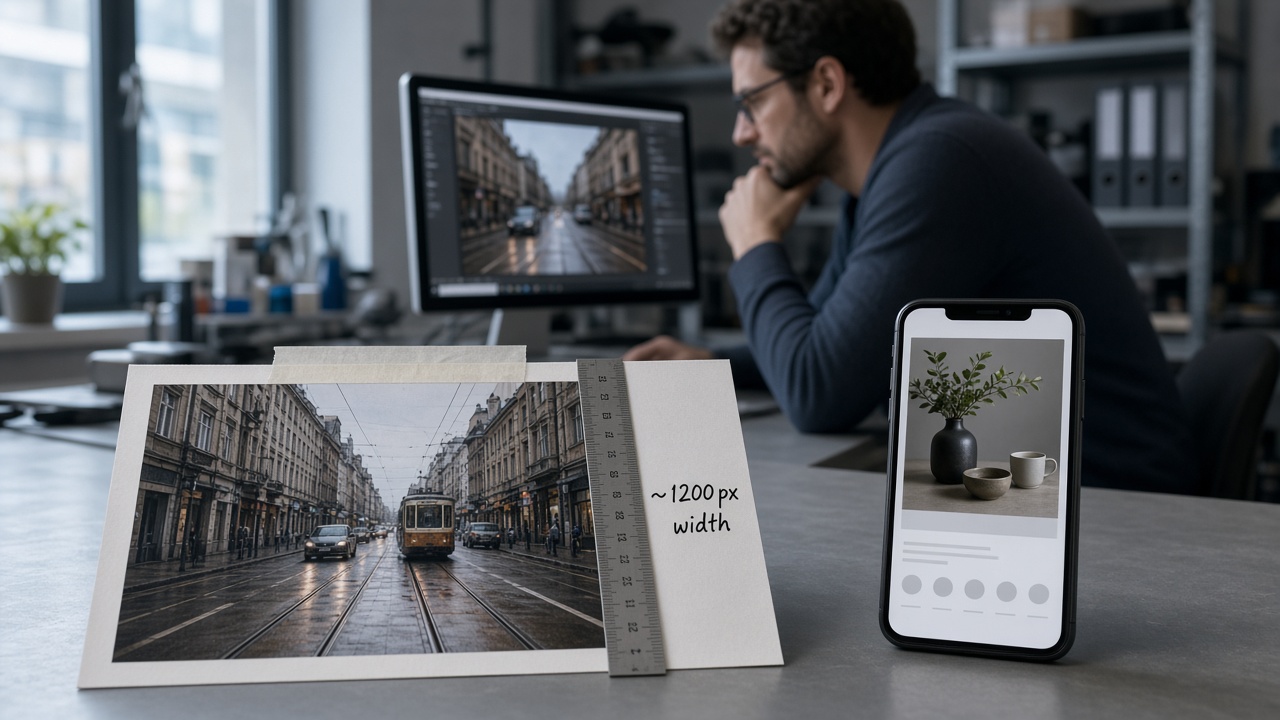
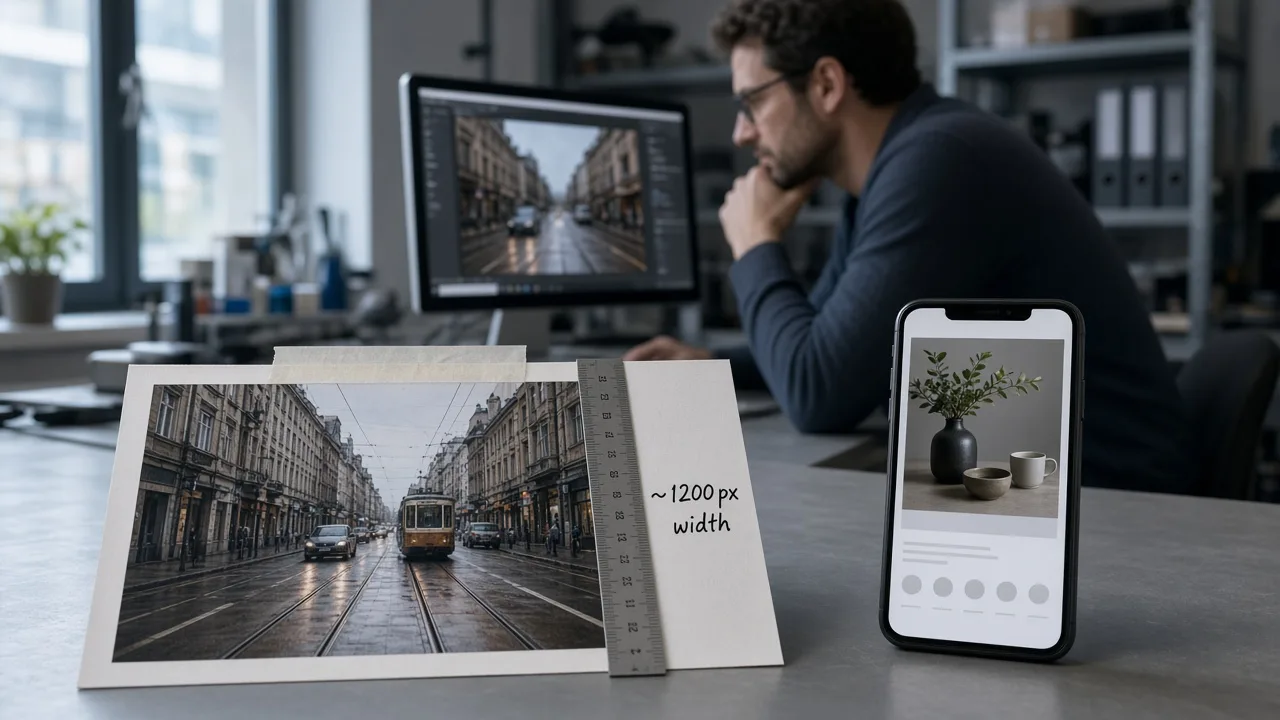
Discover eligibility starts from the Search index. No extra tag makes a URL appear. Google recommends large, relevant images: at least 1200 px wide, more than 300,000 pixels, 16:9, enabled by max-image-preview:large (Discover).
This site already sends max-image-preview:large in the shared robots meta. The rule values are none, standard, and large (robots meta).
Avoid a logo or a text-heavy graphic as og:image. Google may crop for landscape. Crop the important subject into the 16:9 frame yourself.
First-party Discover on this property is still 0 pages in the same GSC window. Meeting the pixel floor is eligibility work, not a traffic guarantee. Pair preview quality with SXO after the click: a large thumbnail that opens a mismatched H1 still fails the query.
IPTC labels versus the generator skill
Google extracts IPTC Digital Source Type from embedded photo metadata. Supported NewsCodes include trainedAlgorithmicMedia for media created with a model trained on captured content (image metadata; IPTC concept).
That label is not a ranking boost. It is provenance. The AI asset generator skill authors new files and metadata. This seo-images skill audits delivery: format, dimensions, alt, Discover crop, and whether the HTML src is crawlable.
Keep the split:
| Job | URL |
|---|---|
| Compress, crop, alt, Discover floor | This page |
| Generate a new 16:9 editorial still | /skills/seo-image-gen |
| Claude install recipe | /claude/seo-images |
Run the image pipeline skill
npx @seoskillsai/cli add seo-images
npx @seoskillsai/cli run seo-images --target "https://example.com"
The product skill lives in the CLI pack (skills/seo-images/SKILL.md): WebP/AVIF, explicit width/height, 16:9 Discover floor, IPTC AI labeling. Agent silos such as Claude image optimization wrap the same module.
Do not invent a nicer slug. Google already assigns impressions to /skills/seo-images.
FAQ
What does this image-semantics practice mean?
It is aligning filenames, alt text, captions, surrounding copy, and HTML img markup so Images and Discover can interpret the file. Google does not publish a ranking factor with that name.
Does WebP rank images better than JPEG?
Search Central lists WebP and AVIF as supported formats. The documented benefit is speed and quality, not a container-specific ranking token.
What size image does Google Discover need?
At least 1200 px wide, more than 300,000 total pixels, 16:9, with large image previews allowed. Eligibility is not a placement promise.
Should AI images use IPTC DigitalSourceType?
Yes, when the file is generated or composited with a trained model. Use trainedAlgorithmicMedia or the matching NewsCode. Pair it with a visible on-page AI label.
How is this different from AI image generation?
Generation creates pixels. This skill checks whether those pixels (or camera files) are crawlable, correctly labeled, and large enough for Discover.
Related reading
Sources
What the Visual Semantic Image SEO & WebP Pipeline Analyzes
Automated diagnostic data points evaluated during every execution run.
| Diagnostic Category | Specific Data Points Checked | Algorithmic Impact |
|---|---|---|
| Google Discover Ratios | 16:9 aspect ratio, minimum 1200px width, max-image-preview:large | Maximizes placement in Google Discover newsfeeds |
How to Execute Visual Semantic Image SEO & WebP Pipeline in Your Agent Environment
Imperative configuration instructions with ready-to-run commands.
Step 1: Optimize Image Assets
Process public images with automated WebP compression and semantic ALT tags.
seoskillsai images optimize --dir public/assetsDeploy This Skill on Other AI Coding Agents
Symmetric Twin Topics: Identical SEO capability configured for other agentic runtimes.